Smart Agriculture & Food.
From cocoa farms to fisheries to agro-processing — the connectivity, traceability, and intelligence that turn Ghanaian agriculture into a globally competitive sector.
Ghana's largest employer is also its least connected.
Agriculture employs roughly a third of Ghana's workforce and anchors entire regional economies. Cocoa alone underwrites national export earnings. Yet farmers operate with limited access to weather data, market prices, extension services, or financial products. EU traceability rules now make connectivity a market-access requirement, not a productivity nice-to-have. Cold chain barely exists outside major cities. Fisheries are largely untracked.
Smart Agriculture & Food rebuilds that substrate — connected farms, traceable supply chains, sensor-based irrigation, fleet-tracked fisheries, agro-processing-zone infrastructure, and farmer-cooperative platforms. It is the segment most directly aligned with concessional and climate capital — AGRA, IFAD, Green Climate Fund, AfDB.
A sector ready for connectivity it doesn't yet have.
A complete agricultural-infrastructure stack.
Farm-level connectivity
Network coverage extending into cocoa belts, irrigation schemes, livestock zones, and Volta Lake fisheries — supported by solar-powered edge sites where grid is absent.
Traceability and extension platforms
EUDR-grade cocoa traceability, farmer registry, extension service apps, and price-discovery tools integrated with the network.
Cold chain and processing-hub networks
Connectivity for warehouses, reefer fleets, agro-processing facilities, and Ghana Commodity Exchange infrastructure.
Eight agricultural environments. One unified architecture.
Each sub-cluster is a complete deployment specification — different scale, different anchors, different payer logic, but the same underlying network and platform stack.
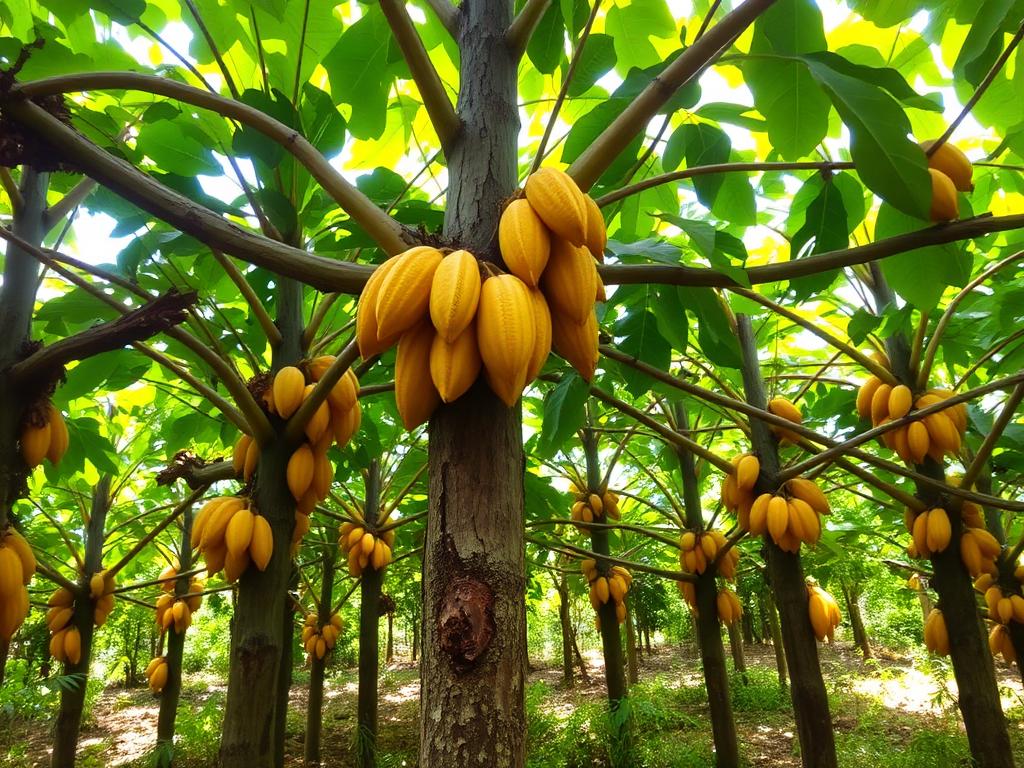
SMART COCOA FARMS
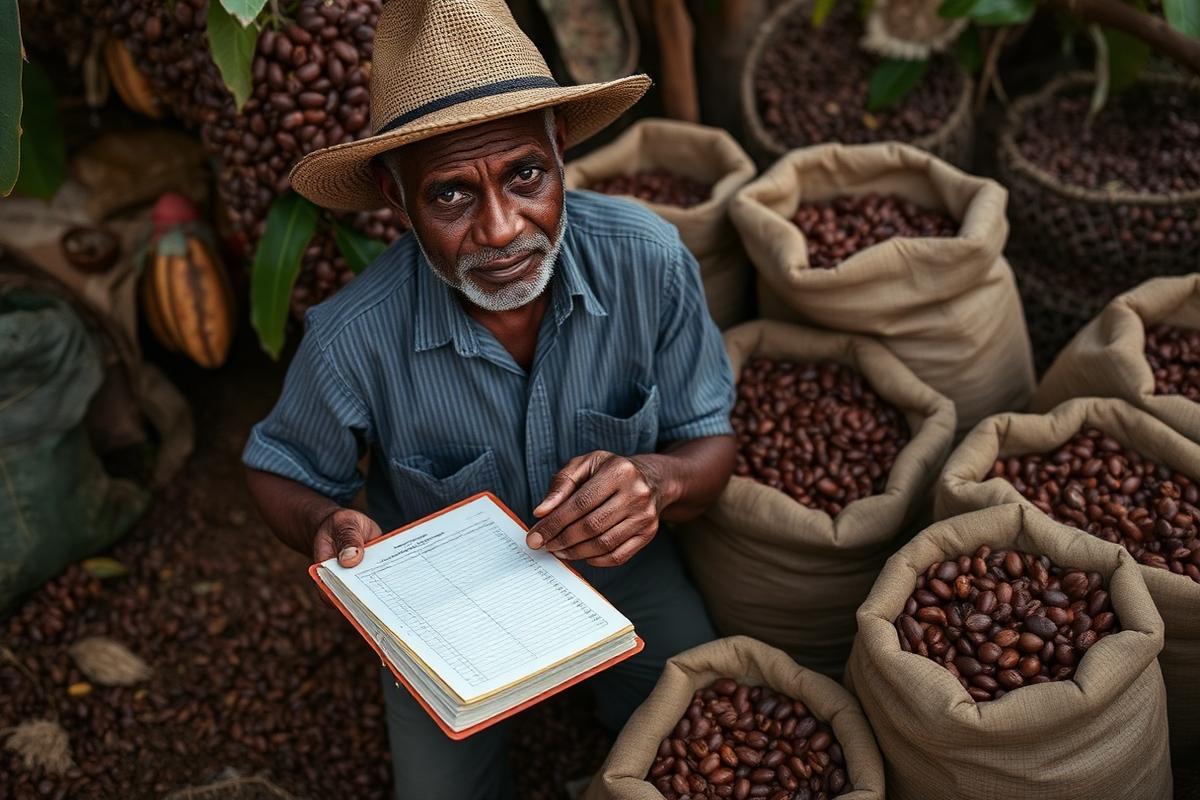
Farmer registry, EUDR-compliant traceability, extension services, price tracking.
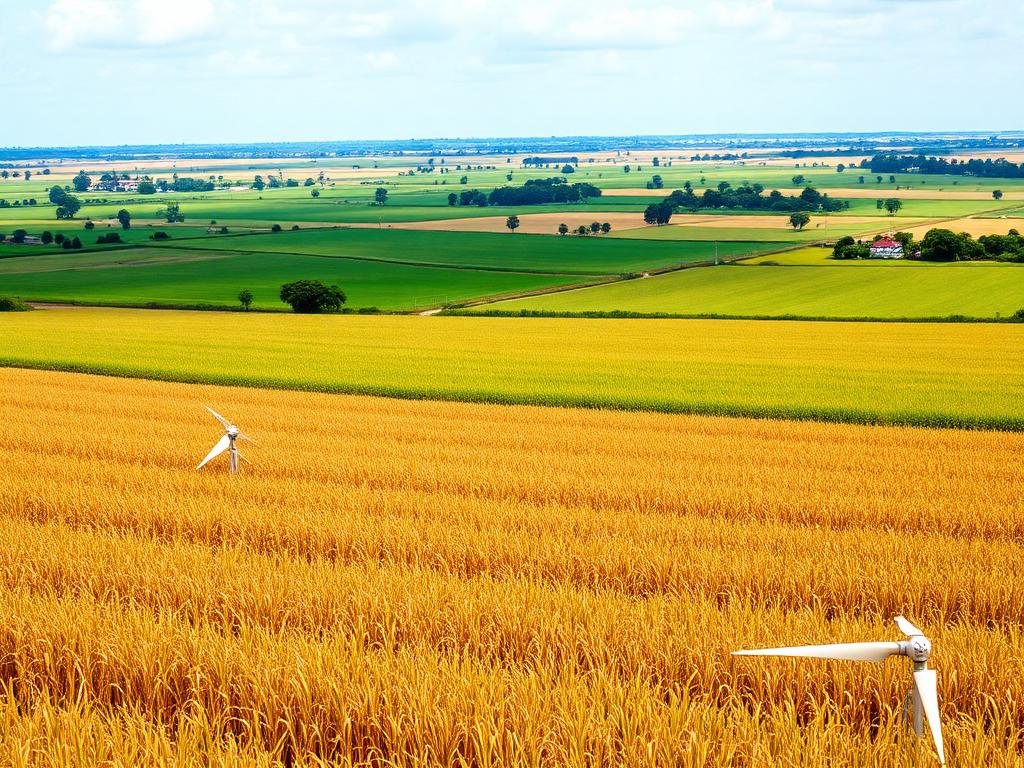
SMART CROP FARMS
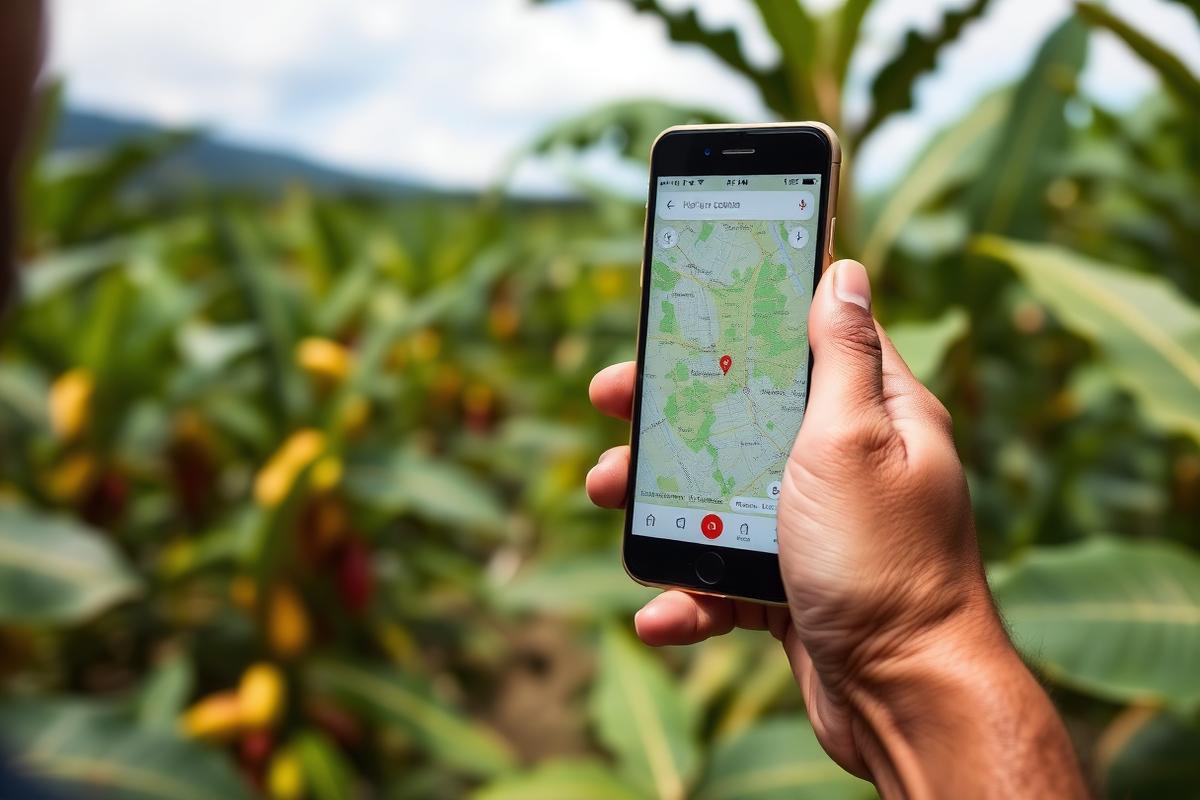
Connected irrigation, weather data, soil sensors for maize, rice, vegetables.
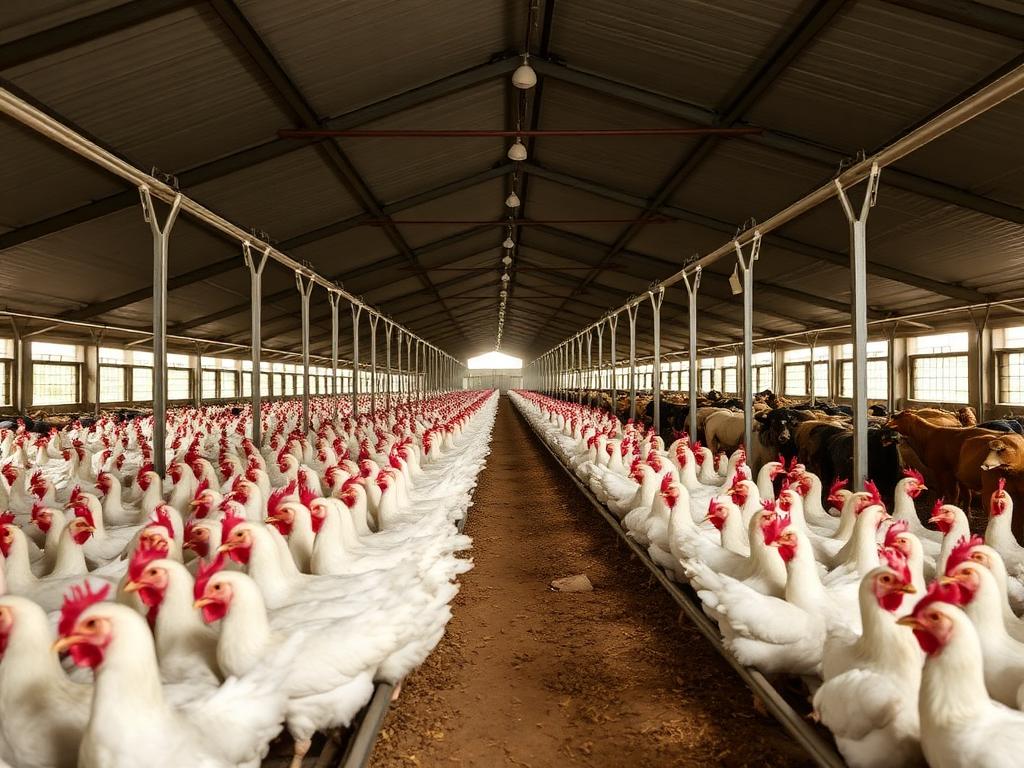
SMART LIVESTOCK & POULTRY
Farm-management connectivity for poultry operations and livestock zones.
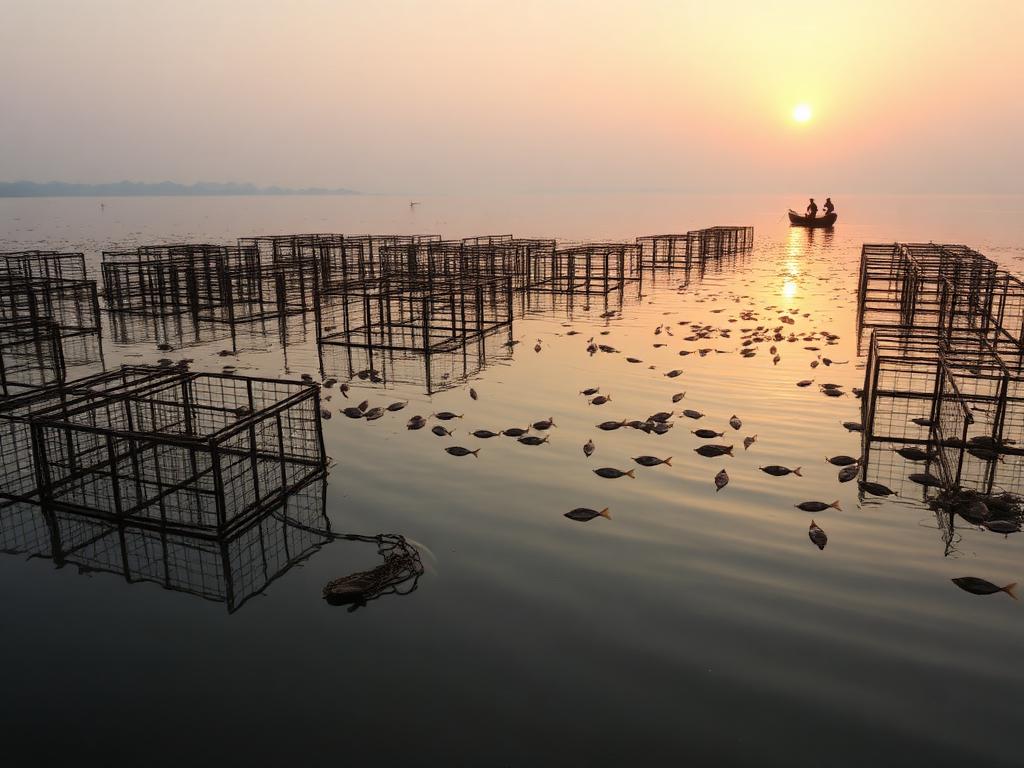
SMART FISHERIES
Coastal fleet tracking, landing-site connectivity, Volta Lake tilapia farms.
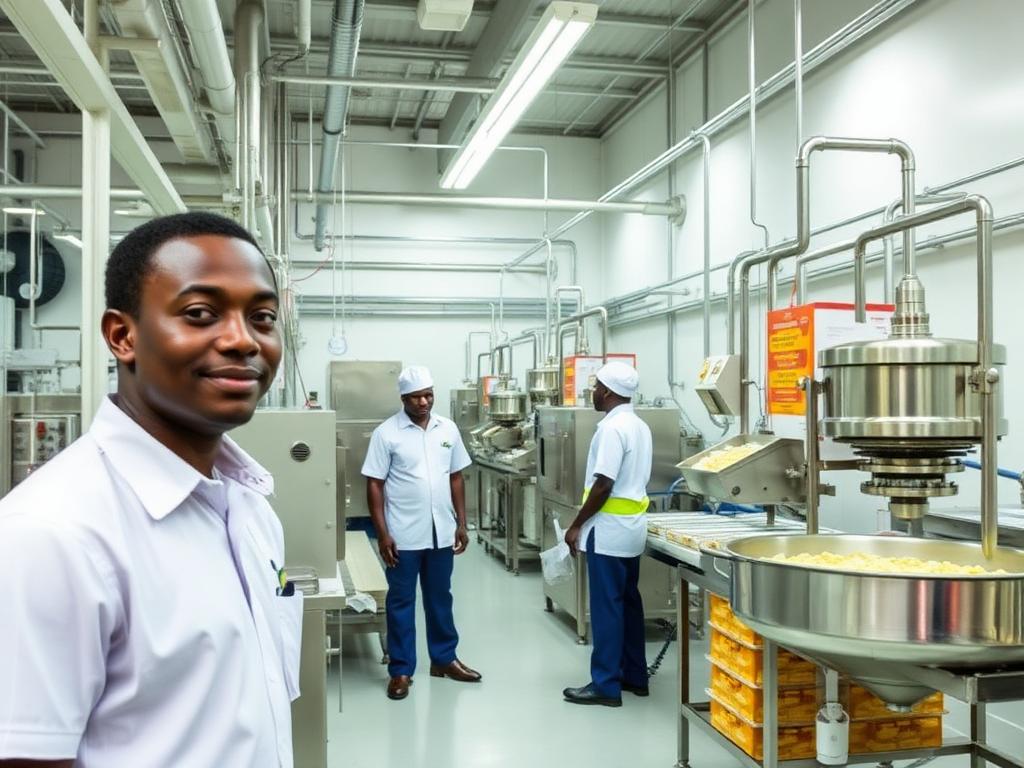
SMART AGRO-PROCESSING HUBS
1D1F factories and agro-processing facilities on managed network connections.
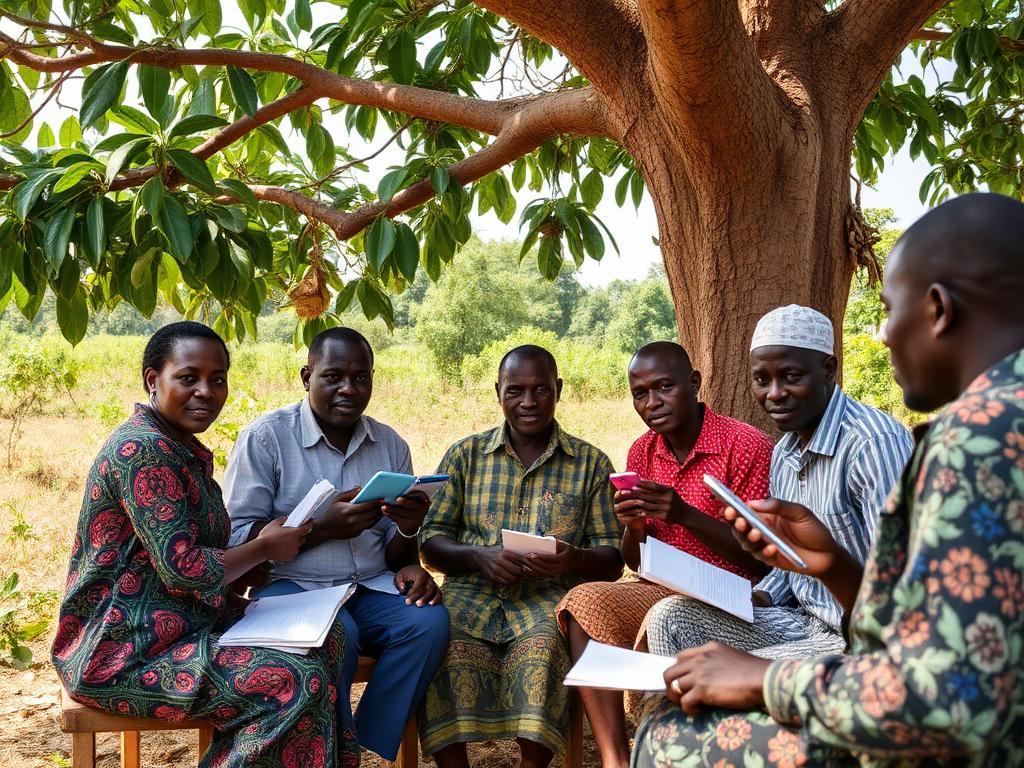
SMART FARMER COOPERATIVES
Extension, market access, input financing, group-purchase platforms.
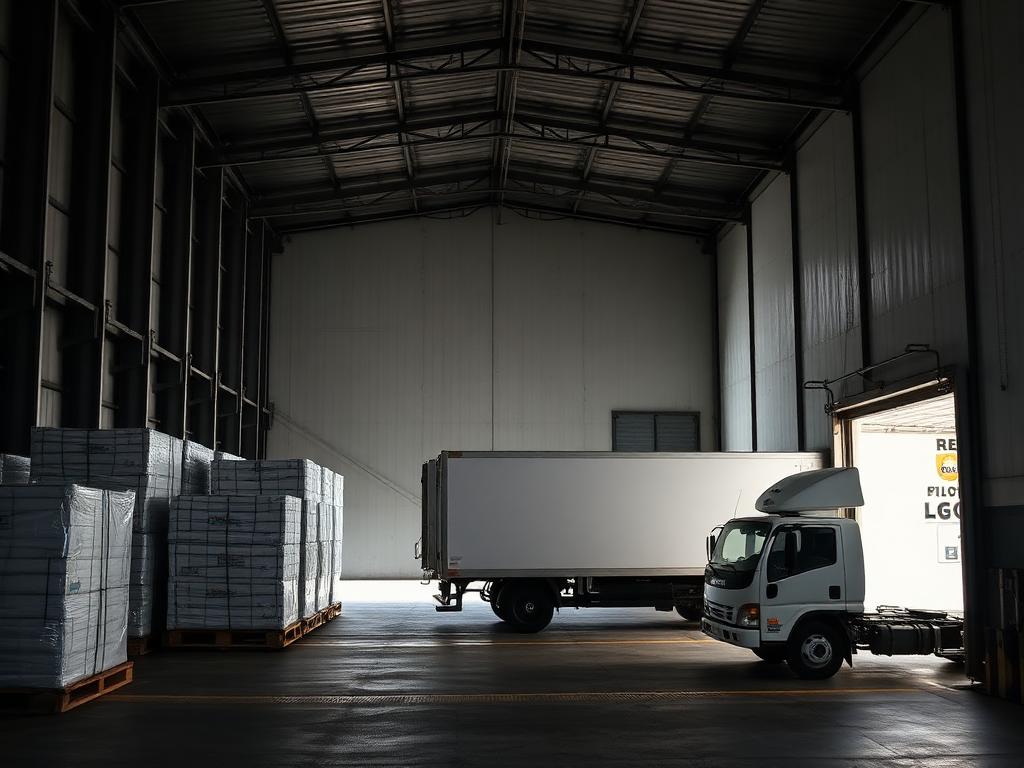
SMART COLD CHAIN & STORAGE
Warehouse and reefer connectivity for the Ghana Commodity Exchange.
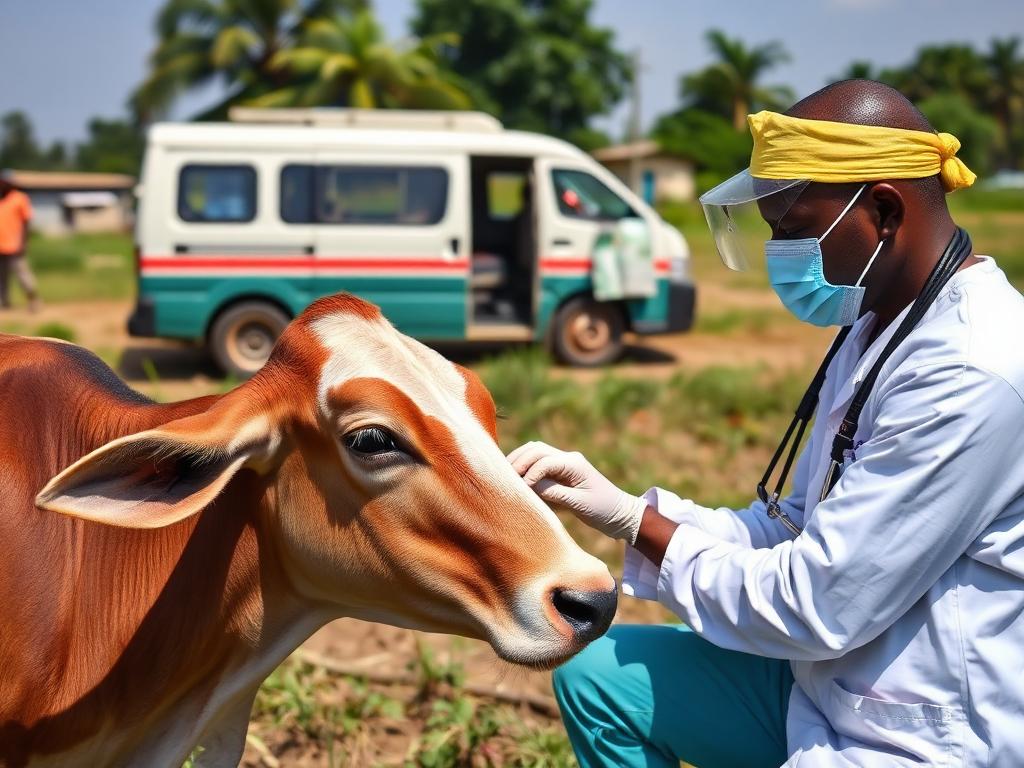
SMART VETERINARY SERVICES
Mobile veterinary connectivity for livestock health and disease tracking.
What Smart Agriculture looks like, lived.


Three payer logics, one segment.
Smart Agriculture revenues come from farmer and cooperative subscriptions, institutional contracts with COCOBOD and the Ghana Commodity Exchange, and concessional and climate-finance tranches.
What the segment looks like at maturity.
Indicative figures. Detailed addressable-market analysis and unit economics provided to qualified investors under NDA.
Who anchors Smart Agriculture & Food.
- Ministry of Food and Agriculture
- COCOBOD
- Ghana Cocoa Marketing Company
- Fisheries Commission
- Ghana Commodity Exchange
- Ministry of Trade
- AGRA
- IFAD
- AfDB
- Green Climate Fund
- EU Delegation
- GIZ
- IFC AgriFinance
- Mastercard Foundation Rural Prosperity
- Farmer cooperatives
- 1D1F factories
- GCX warehouses
- Landing-site authorities
- Agro-input dealers
What Smart Agriculture changes.
Anchor, fund, or supply Smart Agriculture & Food.
Whether you're a ministry, a cooperative, a development partner, or a technology supplier — there's a place to plug in.